PORTFOLIO
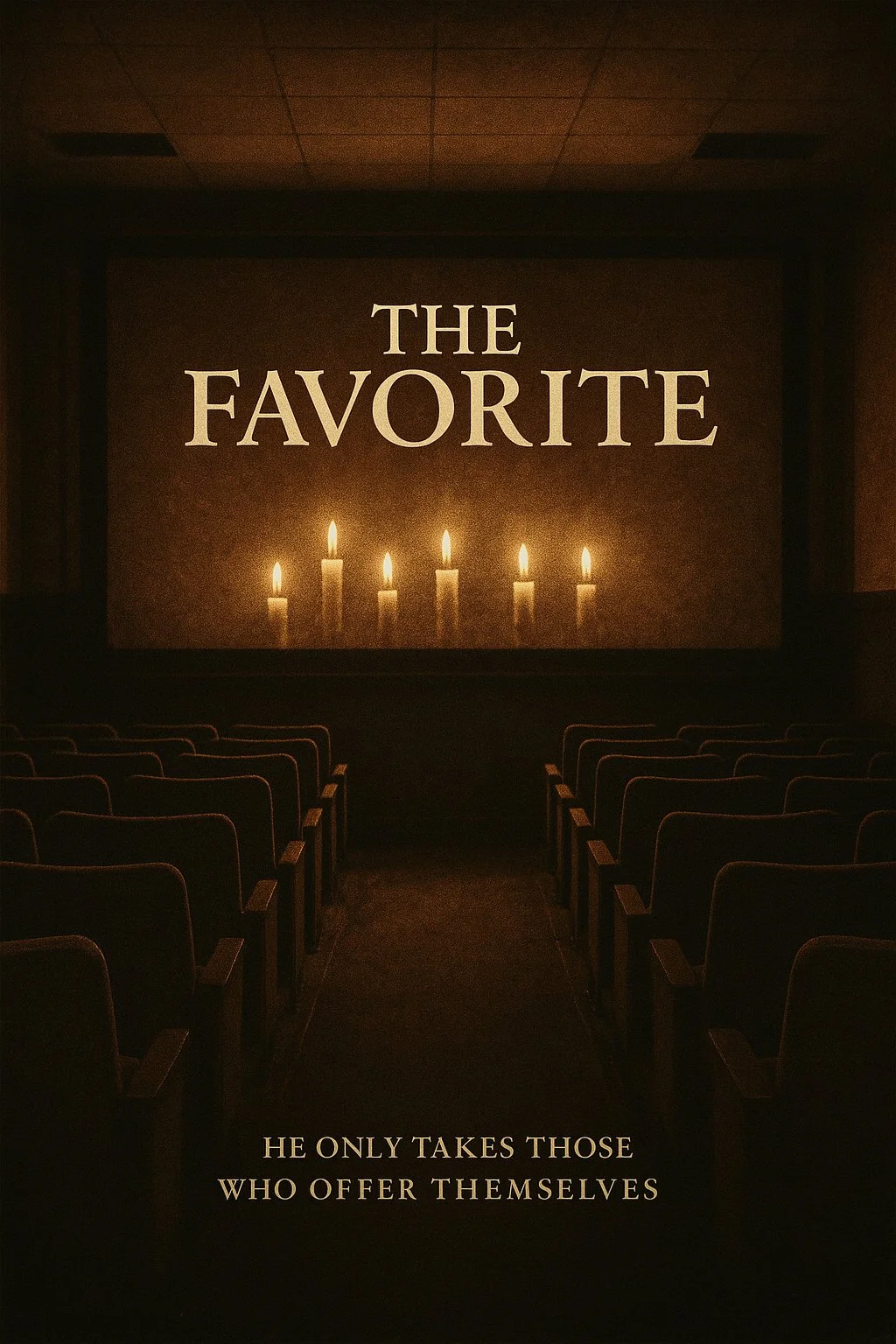









The Favorite
When an unmarked 16mm reel arrives at Bloodgate, a struggling horror-streaming archive preparing for its first live film festival, the footage appears to be nothing more than a grainy recording of a ritual performed in a farmhouse decades ago.
After the reel is digitized and uploaded, platform engineer Alex Moreno discovers a disturbing pattern hidden in the viewing data: every user who watches the film to completion disappears from the platform immediately afterward.
As rumors of the mysterious clip spread online and demand builds for a public screening, Alex races to uncover what was captured on the reel before a packed theater audience watches the ritual reach its final frame.
Some films are cursed. This one is an invitation.




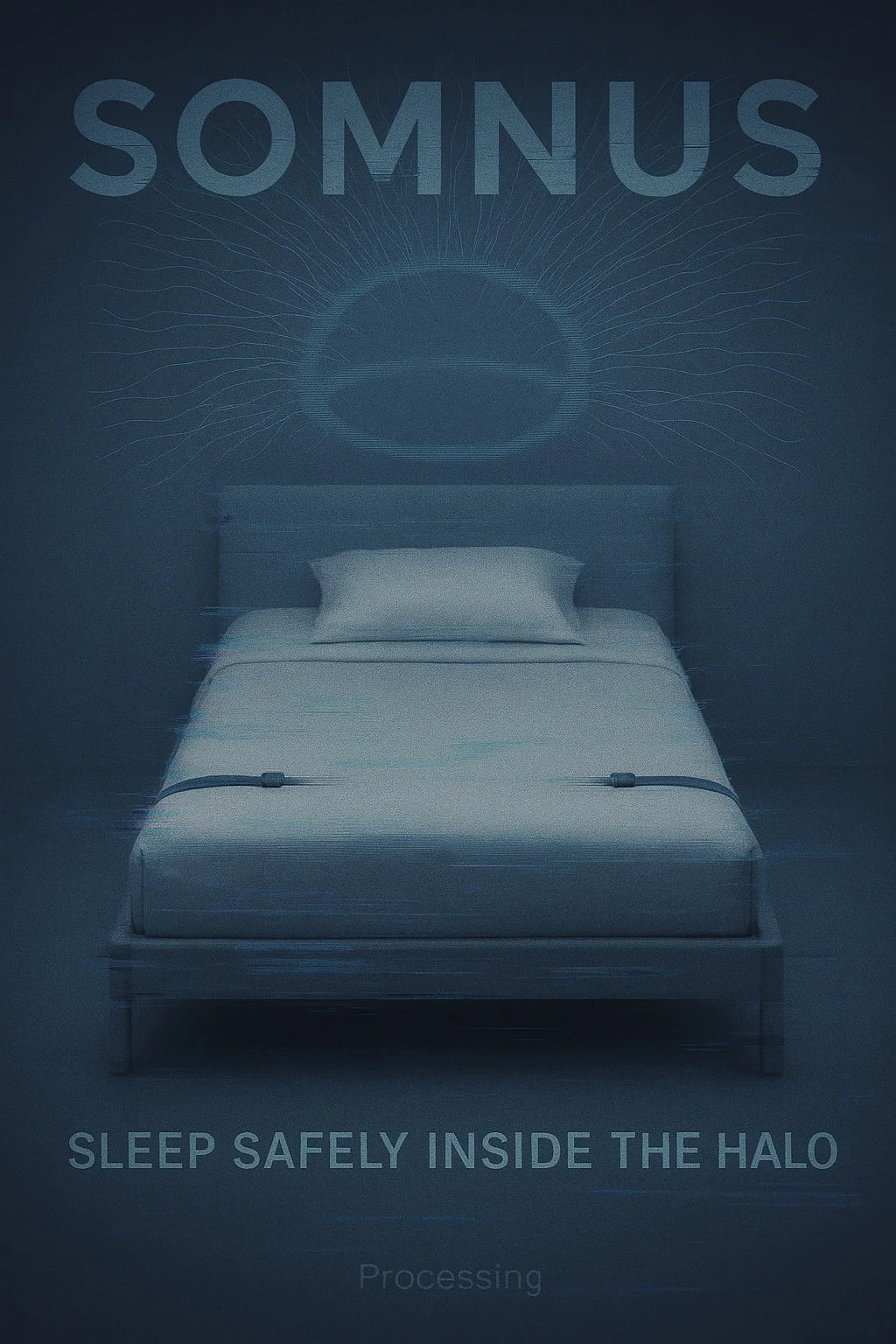
Somnus
After his wife Elara, a dream feed QA researcher at the Halo Network, dies during an experimental test, Jonas Keene is left devastated and unable to rest. Soon after her funeral, a SOMNUS bed arrives at his home, presented as a gift honoring Elara’s work. Desperate for relief, Jonas begins using it and experiences something he has not felt since her death: perfect sleep.
But the deeper Jonas sleeps, the stranger his nights become. His dreams begin reconstructing places and memories he shared with Elara, while unexplained changes appear in his waking life. As a former colleague quietly questions the circumstances of Elara’s death, Jonas is drawn further into a technology whose purpose may extend far beyond sleep and into a process that began with his wife and was never finished.
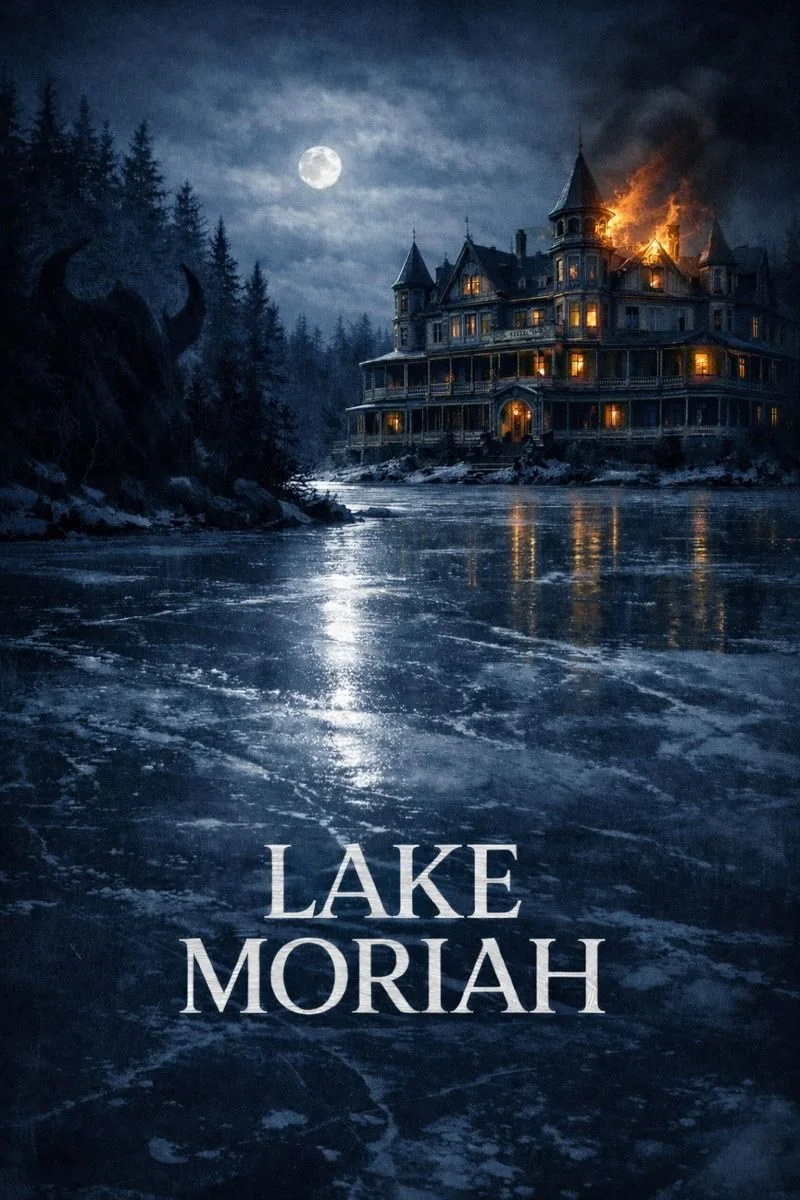


Lake Moriah
When the historic Lake Moriah Hotel burns to the ground with contractor Steven Reid's body inside, the town assumes he set the fire himself. His widow is left in poverty. Owner Peter Carson collects a half-million dollar insurance settlement and begins rebuilding his life.
Then something begins following him.
Peter convinces himself it is guilt. Stress. Exhaustion. But the presence grows sharper. More deliberate. More physical.
As the truth behind the fire surfaces, Peter realizes what is haunting him is not his conscience.
It is judgment. And it has been waiting.
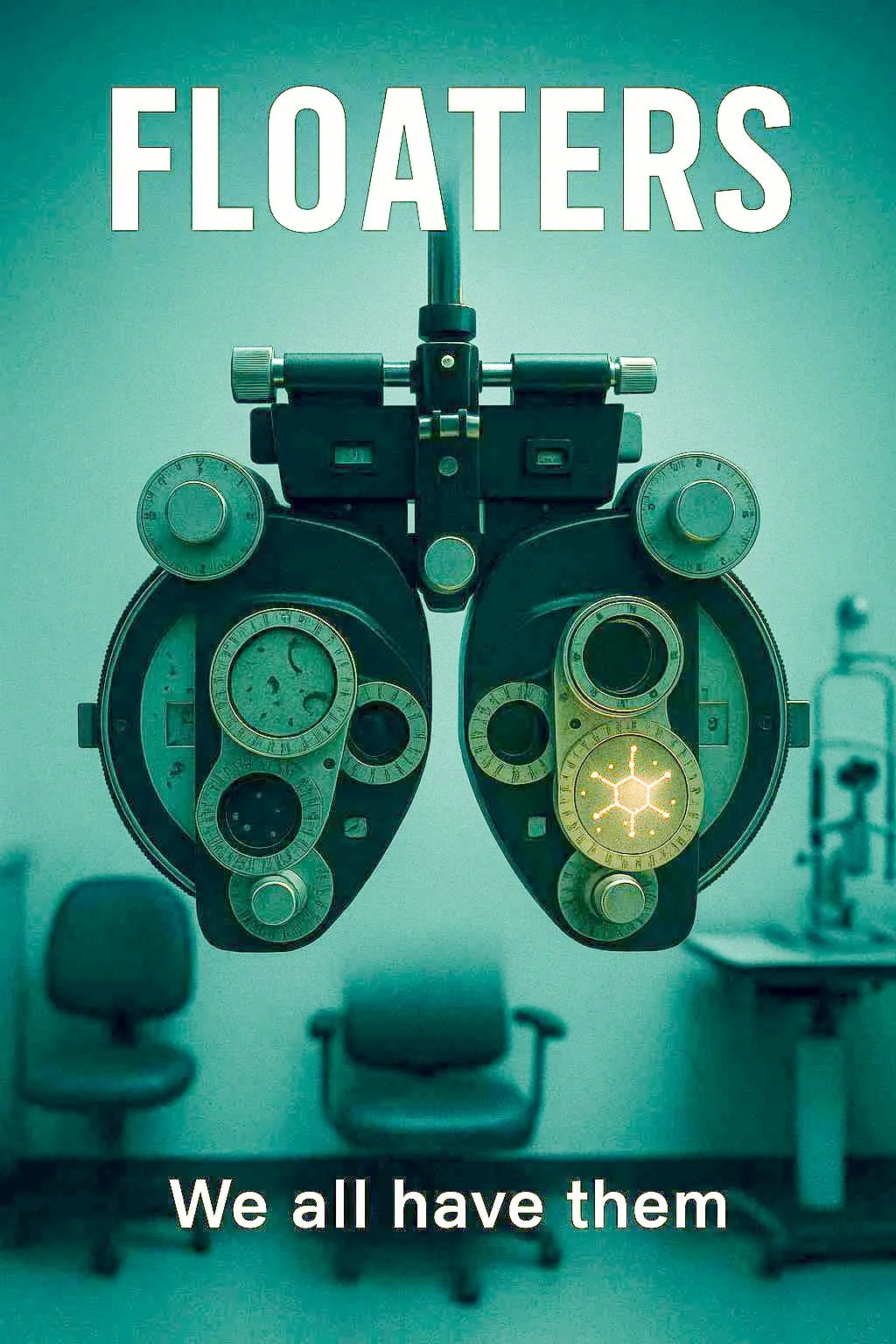




Floaters
San Francisco optometrist Nolan Sayer has spent his career telling patients the same thing: floaters are harmless. Microscopic protein strands. A normal part of aging. Nothing to worry about.
Then half the city starts seeing them at once.
Patients return to his clinic calmer than before. More agreeable. Their movements synchronized in ways Nolan can't quite name. His assistant seems different. The traffic on the streets feel Coordinated.
As an interstellar object approaches its closest pass to Earth, crowds begin drifting toward the waterfront with quiet purpose. Nolan drifts with them.
No one resists. No one runs. No one was ever supposed to.
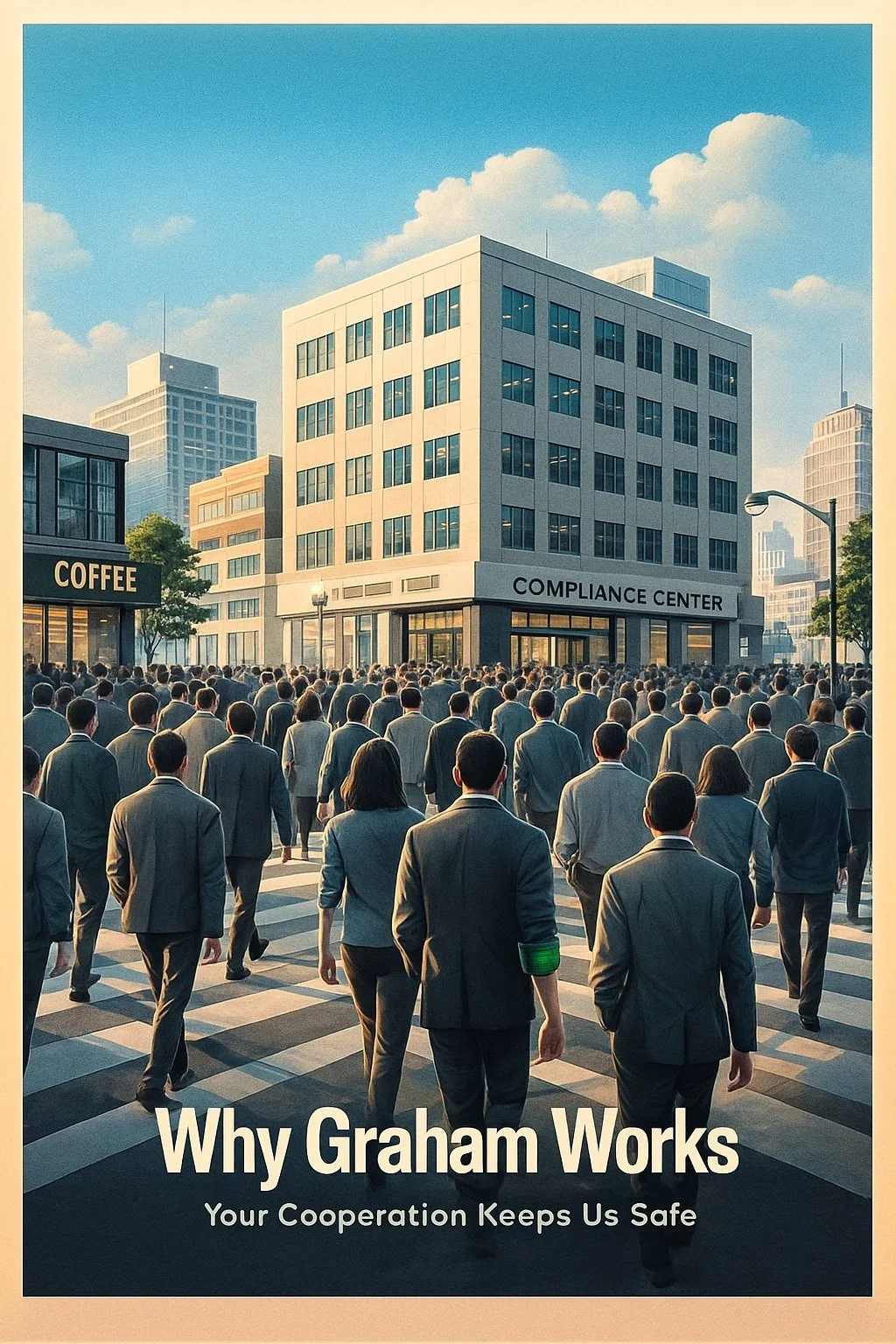
Why Graham Works
In a surveillance state where identity cuffs track every citizen and compliance is currency, Graham has spent his entire life doing exactly what the system asks. He has never missed a check-in. Never filed a late form. Never questioned a directive.
Then a system error marks him noncompliant.
Access revoked. Home locked. Job erased. Every appeal requires a form. Every form requires permission to request the form. Every office is closed for Unity Day.
As the state methodically dismantles his life over a glitch he cannot prove, Graham discovers the most terrifying thing about the machine: it works as intended and is incapable of being wrong.
A dystopian thriller in the tradition of Brazil and The Trial, built for a lean production footprint with franchise potential.



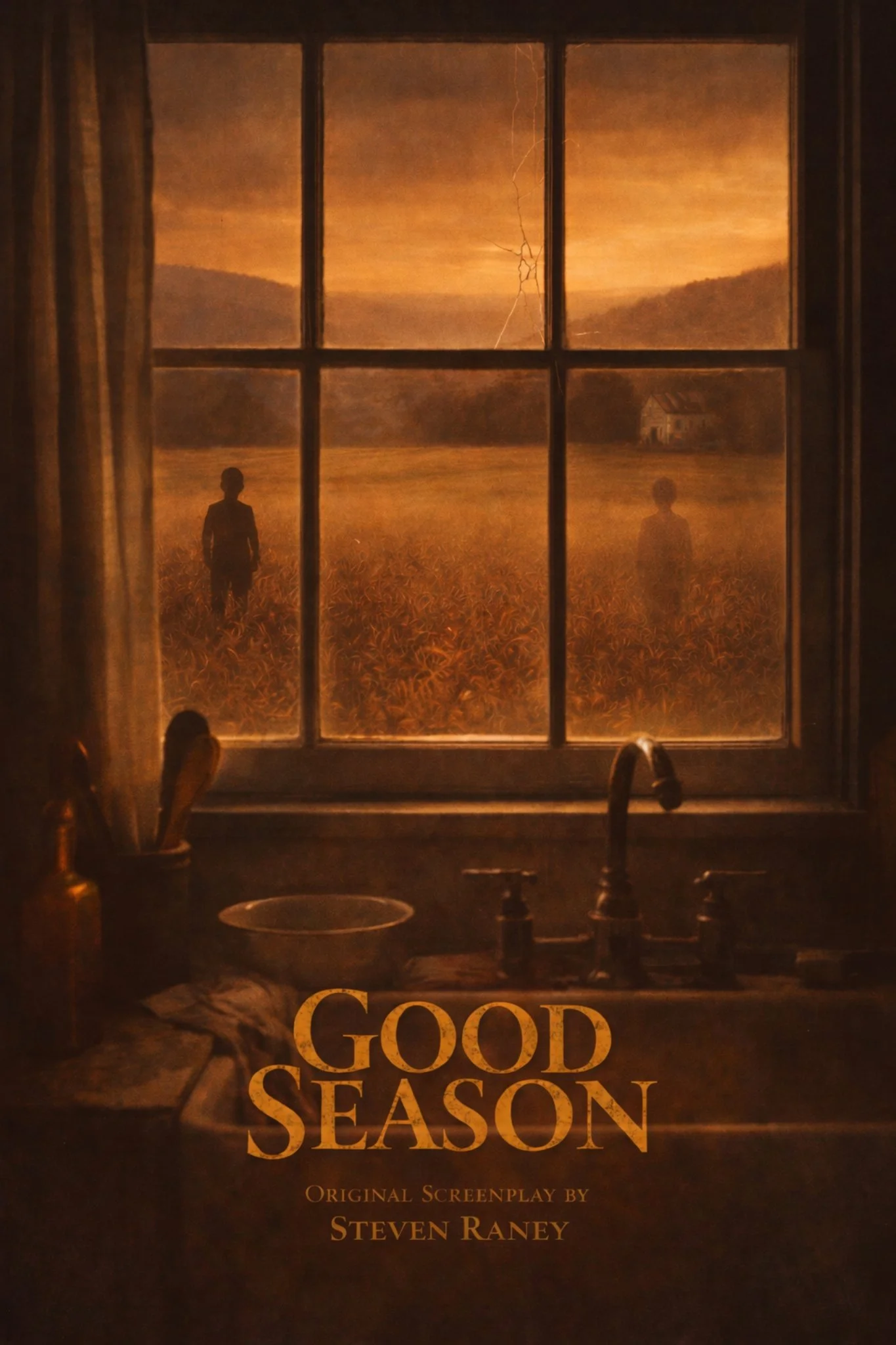
Good Season
Western Pennsylvania, 1990s. A sinkhole opens in the Holter family's rye field. The crops begin to fail. The men gather at night and come back without much to say.
Nine-year-old Ellis Holter notices things. A boy standing at the edge of the fields who no one else reacts to. Questions about his family that never get straight answers. Adults who watch him a little too closely and say a little too little.
When Shane, a new kid in town, becomes Ellis's only real friend, the two drift through fields, rail lines, and church basements while the community keeps watch from a distance.
Then Shane disappears. The explanation is simple. He moved away.
The rye turns green again.
Ellis is nine but he is observant.
And he is starting to understand exactly what kind of town he lives in.